The Agricultural and Rural Advisory Center (CCAR) presented the results of its activities for 2025 during the meeting of the Consultative Council. The year marked the institution’s first full year of operation and also outlined the priorities and key directions planned for 2026.
According to Alexandra Șian, State Secretary at the Ministry of Agriculture and Food Industry, during this period CCAR, together with the Ministry of Agriculture, focused not only on field-level activities, but also on building the institutional framework necessary for the Center’s development.
“Work was carried out both at a practical level and on the institutional dimension, which involved establishing mechanisms, systems, and regulations aimed at creating real development opportunities for the Center. The year 2025 was CCAR’s first full year of activity,” stated Alexandra Șian.
Throughout 2025, CCAR organized 34 seminars (including workshops and round tables), 35 training sessions, and 3 basic training programs for agricultural advisors. National events such as AgroFin and the AgroKnowledge Forum were also held. In total, more than 4,000 producers and rural entrepreneurs participated in CCAR activities during the year. Training topics were diverse and addressed producers’ needs, ranging from biodiversity to modern livestock technologies, digitalization, and crop protection.
Carolina Chiper, Director of the Agricultural and Rural Advisory Center, emphasized that in 2025 CCAR succeeded in strengthening key partnerships aimed at improving the quality of services provided to farmers.
“The Center established partnerships with two donors to implement advisory and training programs tailored to the needs of agricultural producers. At the same time, we actively collaborate with educational institutions and sectoral institutions to involve them in training and capacity-building programs,” the director of CCAR noted.
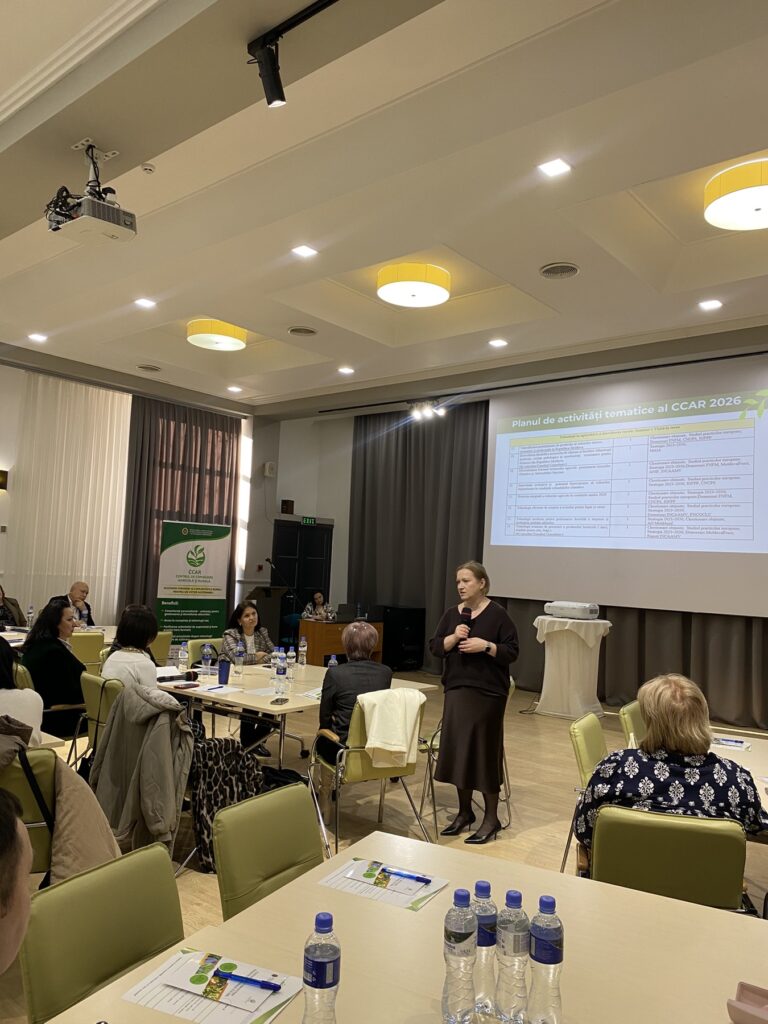
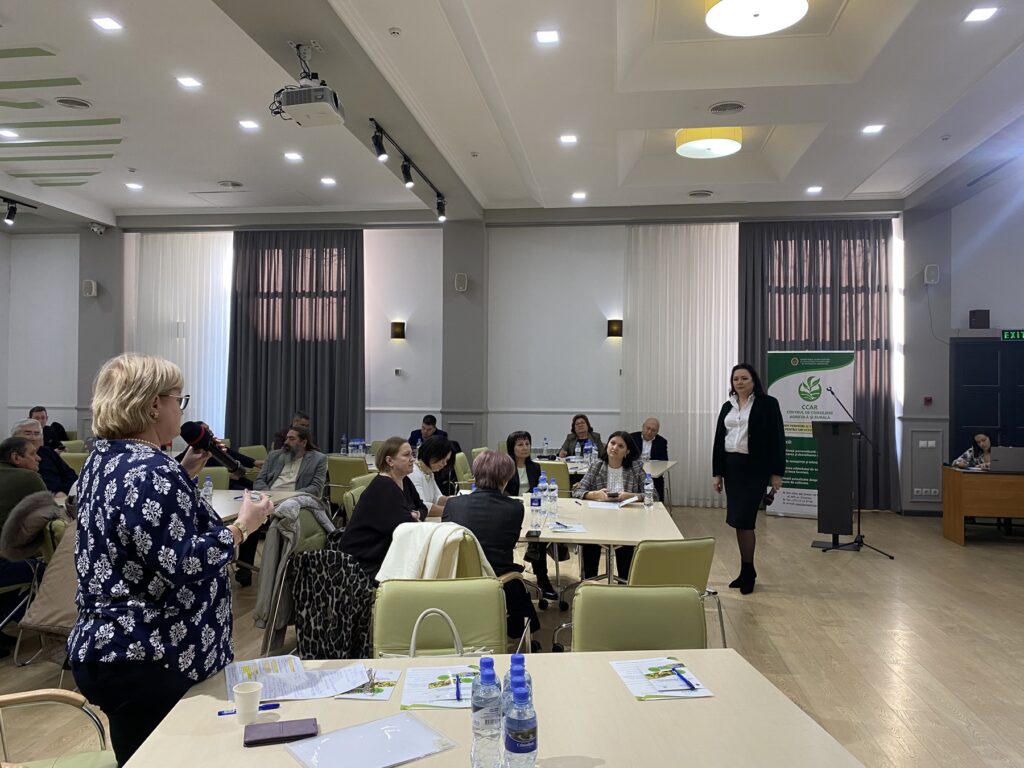
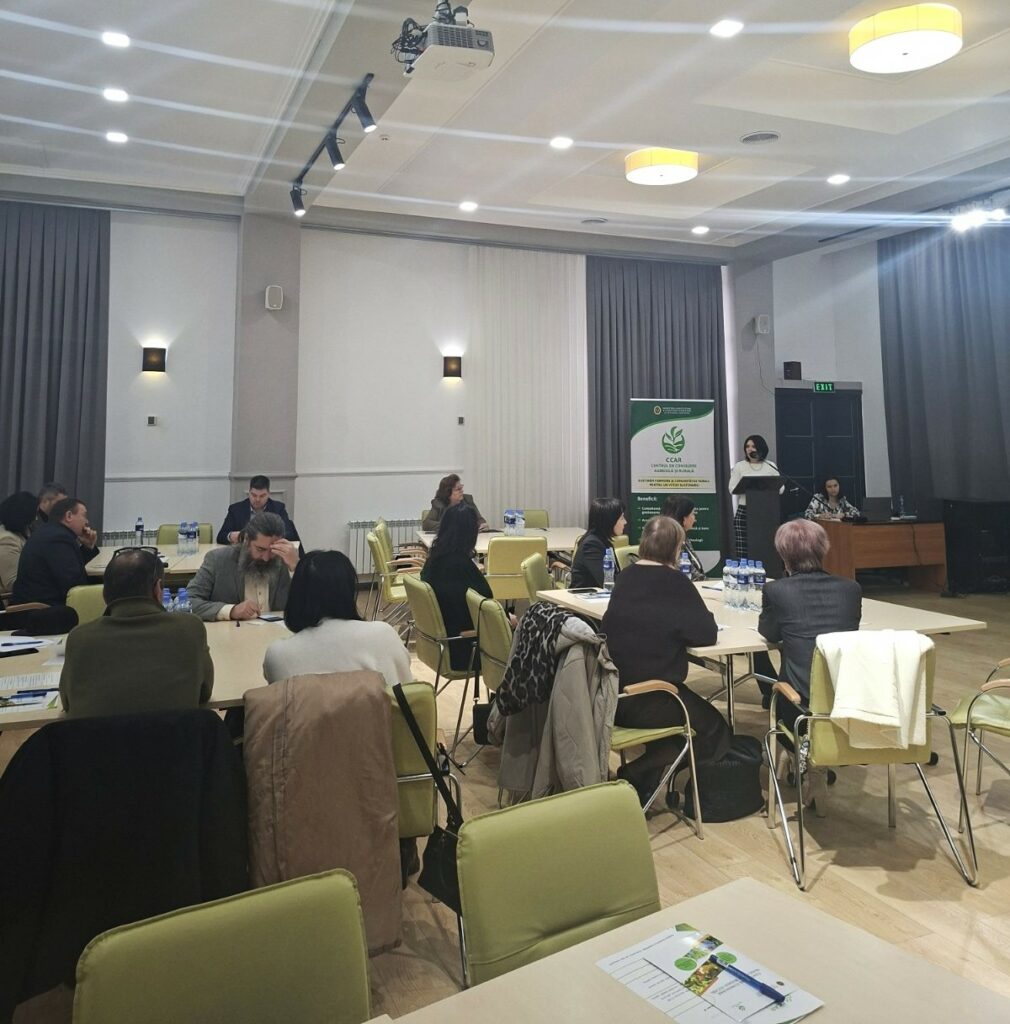
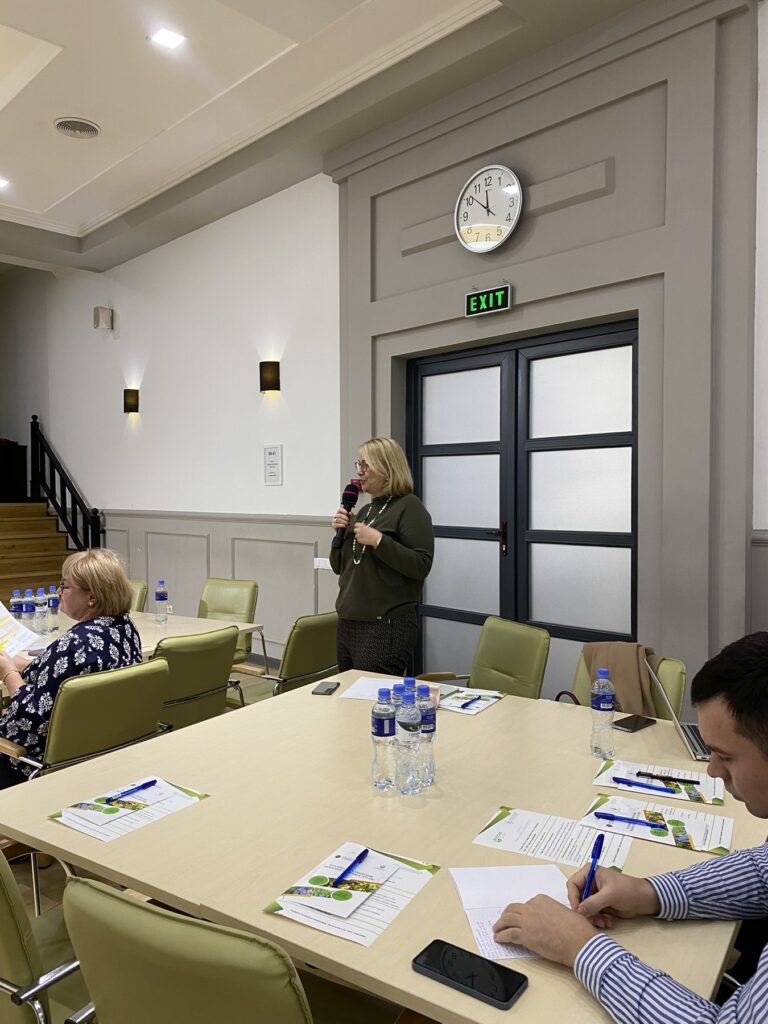
During the presentation, the main challenges faced by the Center were also highlighted, including limited resources, the need to develop digital solutions, the pressure to rapidly adapt to new technologies and sectoral changes, as well as the absence of a common training calendar at the level of state institutions.
For 2026, CCAR plans to organize a new set of activities and thematic programs, which were discussed and reviewed together with the members of CCAR’s Consultative Council. The Council serves as a platform for dialogue, analysis, and cooperation among stakeholders in the agricultural sector. It is composed of 60 members, including organizations from the fields of research and innovation, agricultural education institutions, farmers’ associations, sector-specific NGOs, and other relevant partners.