
The Agricultural and Rural Advisory Center (CCAR) studied Estonia’s experience in providing advisory services
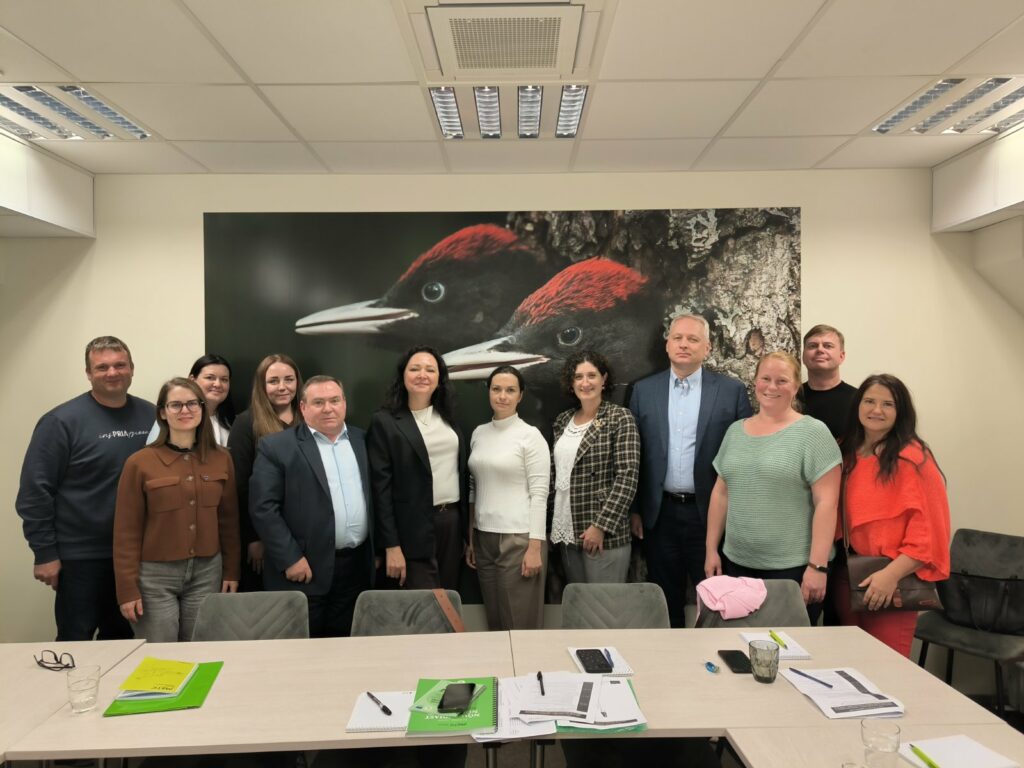
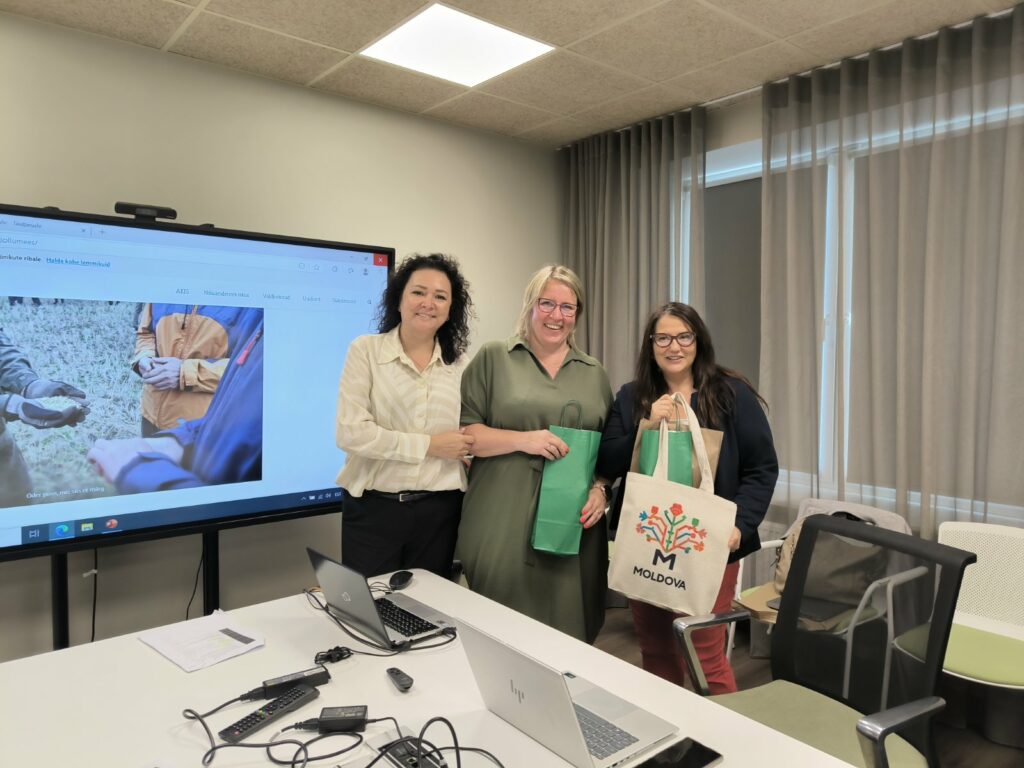
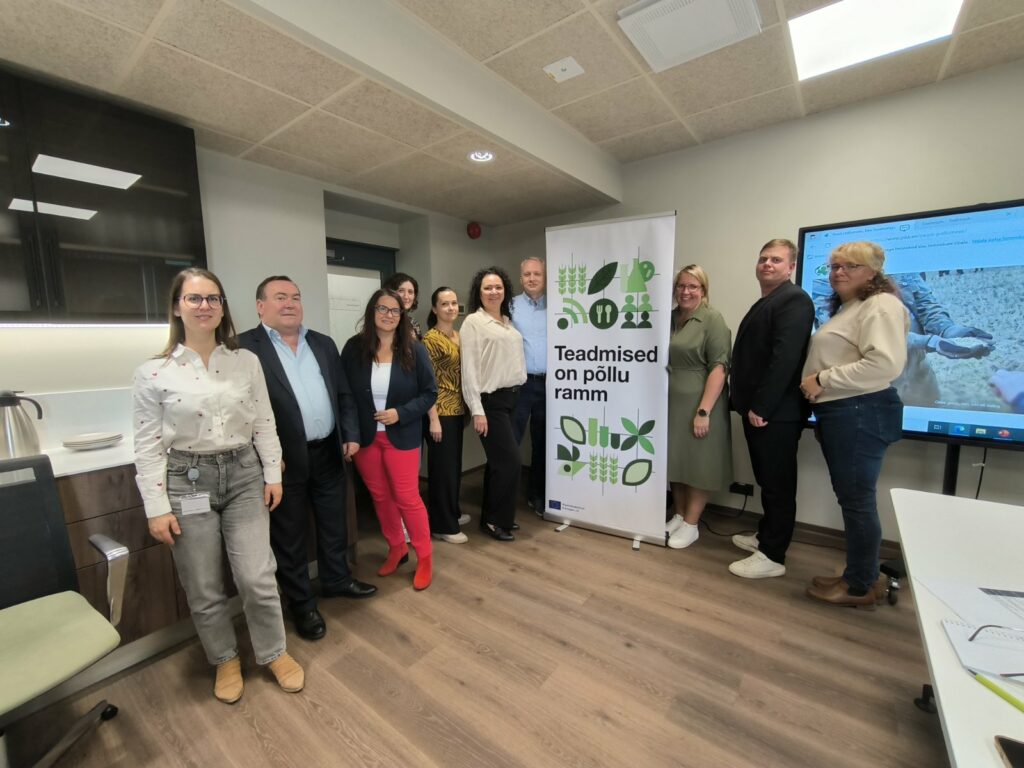
The Agricultural and Rural Advisory Center (CCAR) recently participated in a study visit to Estonia, organized by TAIEX – the European Union’s Technical Assistance and Information Exchange instrument – together with the Ministry of Agriculture and Food Industry of the Republic of Moldova. The purpose of the visit was to exchange experiences on the organization of advisory, research, and management services within AKIS (the Agricultural Knowledge and Innovation System).
During the visit, members of the Moldovan delegation met with several key institutions in Estonia, including the Ministry of Agriculture, the Agricultural Chamber, the Rural Research and Knowledge Transfer Center (METK), and the Estonian University of Life Sciences in Tartu.
Carolina Chiper, Director of CCAR, noted that the visit and interaction with the staff of the Estonian Rural Research and Knowledge Transfer Center were particularly valuable. The institution has recently undergone a reform but has a long-standing history and an extensive portfolio of activities. It currently employs around 300 people and operates eight branches in different regions of the country.
“The main activities of METK include research, laboratory testing, and the promotion of innovations in agricultural entrepreneurship. The organization plays an important role in promoting and organizing agricultural advisory services. Among the best practices that could be adopted by CCAR are: the management of the registry of authorized advisors, close collaboration between advisors and other actors (including the Paying Agency, universities, laboratories, and the private sector), as well as the certification and continuous training of advisors,” said Carolina Chiper.
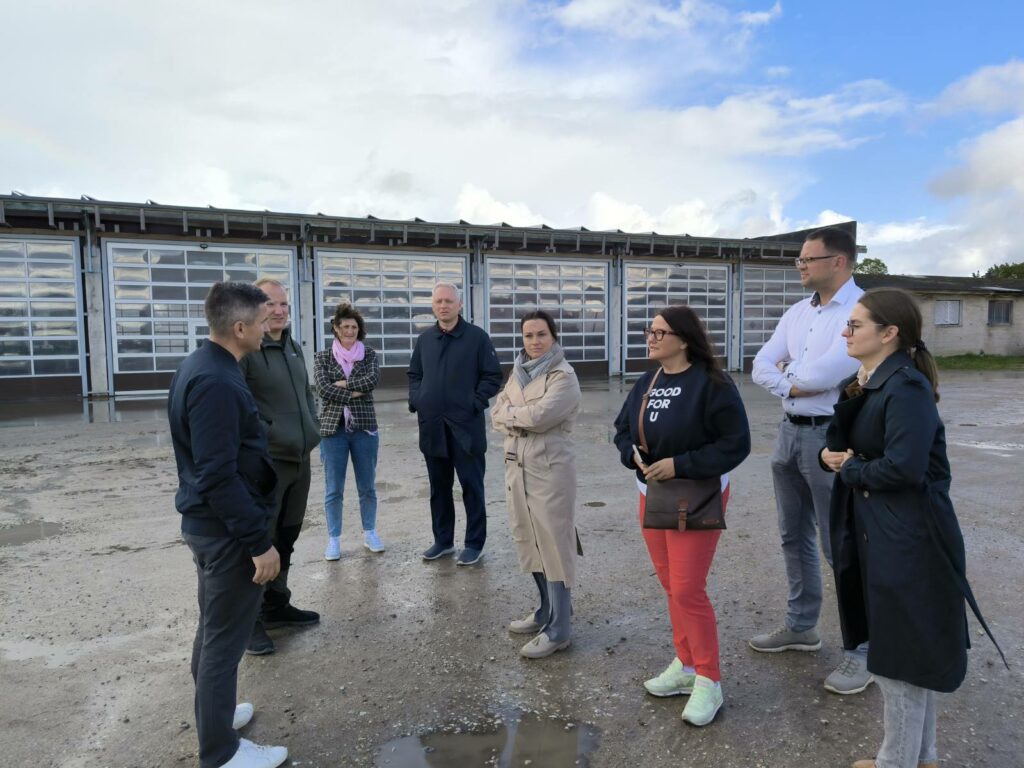
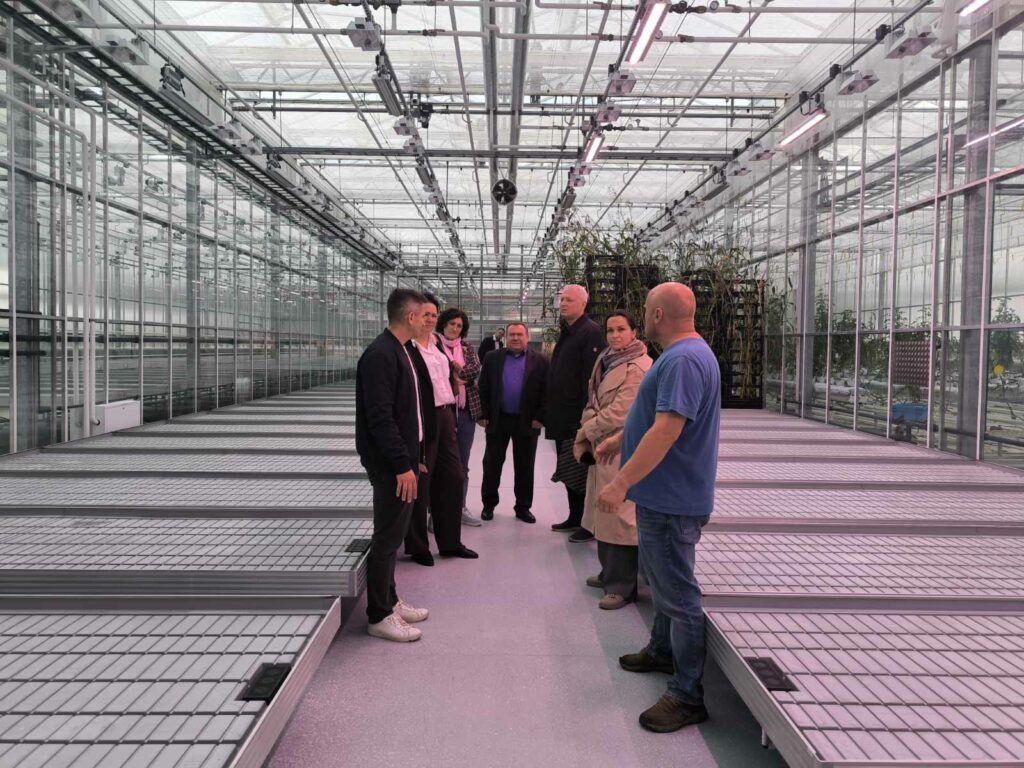
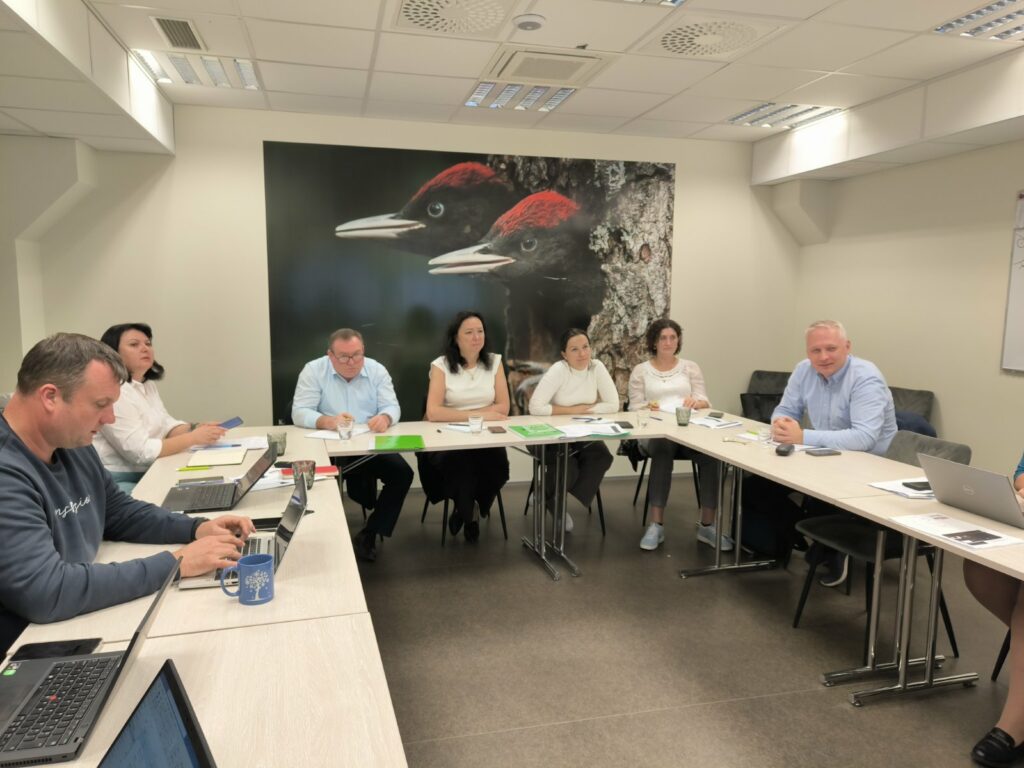
METK is the organization responsible for certifying agricultural advisors through complex examinations that include both theoretical tests and case studies, as well as interviews. Once included in the official list, advisors work directly with farmers, while payments for services are made through the national paying agency. In Estonia, advisory services are financed through a clear mechanism: each farmer receives an individual annual account worth €3,000, managed by the paying agency. The state covers 90% of the service cost, while the farmer contributes 10%.
The CCAR director also emphasized that in Estonia, AKIS is already integrated into the national strategic plan through intervention fiches, while in Moldova the system is still under development. Within METK, there is a special structure dedicated to the AKIS system, consisting of a team of 15 experts, who are also developing a digital platform for AKIS.
“The representatives of the institution shared both their accumulated experience and the challenges faced during the initial implementation phase, highlighting the importance of efficiently coordinating all actors through the advisory council and sectoral councils, where activities are jointly planned and discussed,” said Carolina Chiper.
During discussions with METK, the topic of signing a memorandum of cooperation between CCAR and METK was also raised. The Estonian side expressed openness and emphasized the need to establish a partnership that could be implemented in practice and ensure the concrete realization of the agreed objectives.
Participants in the study visit noted the importance of this type of activity, which helps to develop a clearer vision of how institutions and processes function in other countries that are at a more advanced stage of development and have extensive experience in advisory services, research, and knowledge transfer.
